
Antarctic Science with the Australian Antarctic Program
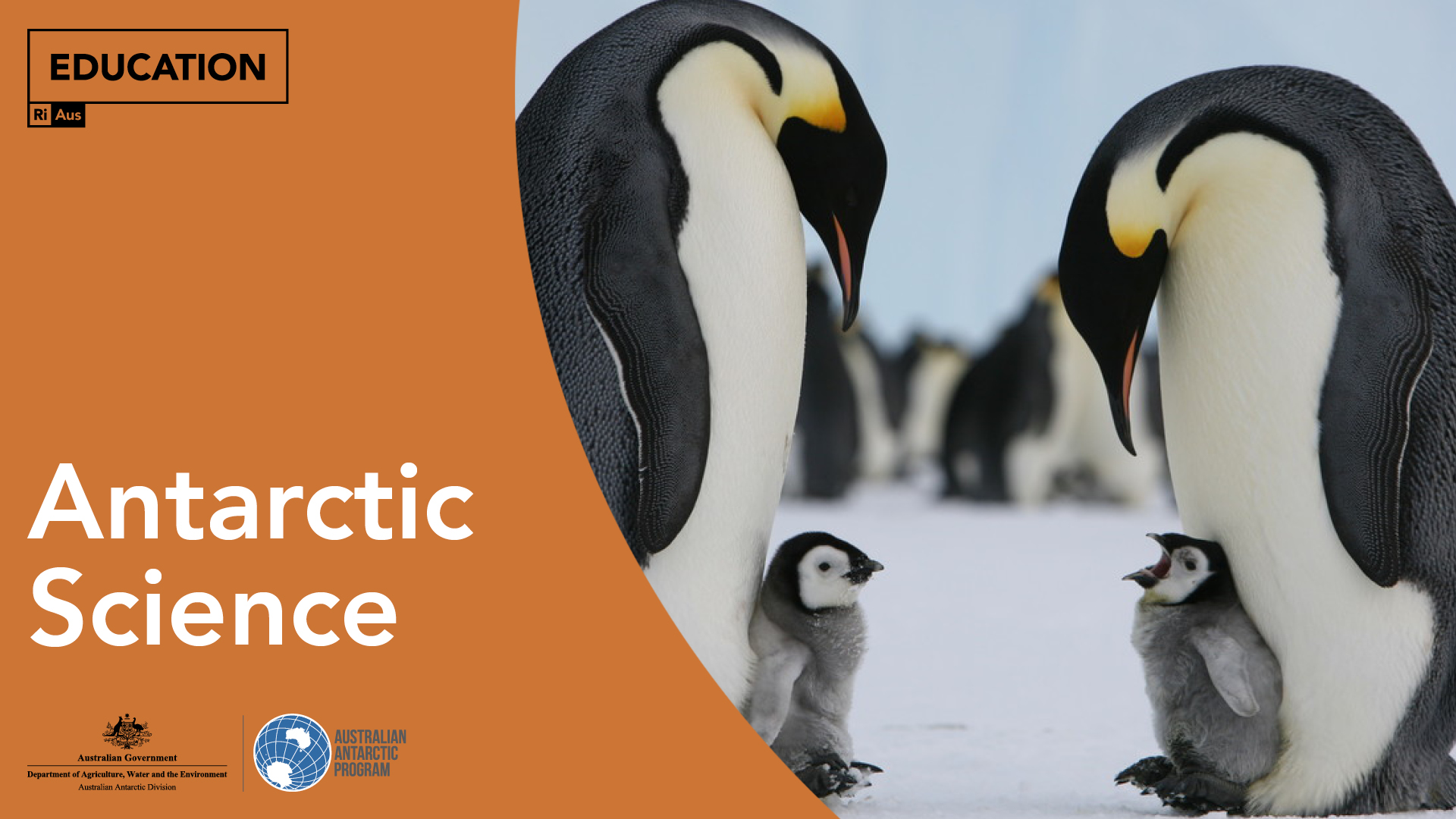
Our Antarctic resource series provides engaging lesson plans, hands-on activities and detailed booklets for teachers and students. They are all mapped to the science curriculum and teach you all about the amazing science happening by Australians in and around Antarctica.
Each resource is specially designed to:
- incorporate global science issues into your teaching
- develop students’ critical thinking skills
- raise awareness of STEM careers
- demonstrate classroom science in the real world
- and much more!
Browse the resources:
Full lessons ready to pick up and go.
What adaptations do animals have to help them survive the harsh Antarctic conditions?
Year 5, 6
What are the life cycles of Antarctic animals? Who are born live and who hatch from an egg?
Year 4
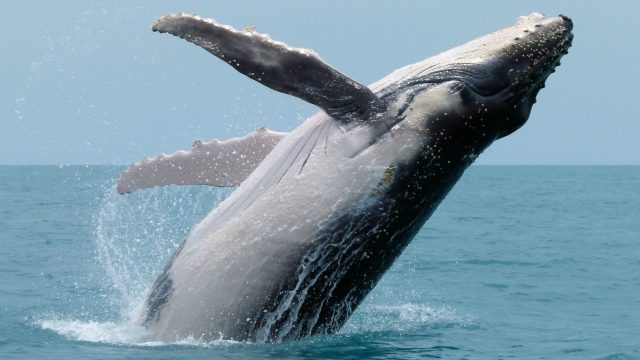
What characteristics or features do groups of Antarctic animals have? What is the difference between a mammal, bird and fish?
Year 3
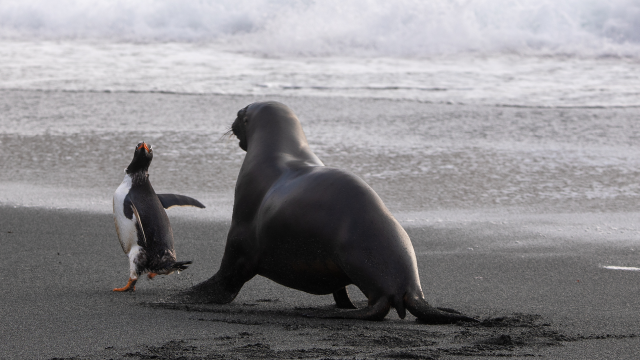
Who eats whom in Antarctica? Learn about the predator and prey relationships in the Antarctic.
Year 4
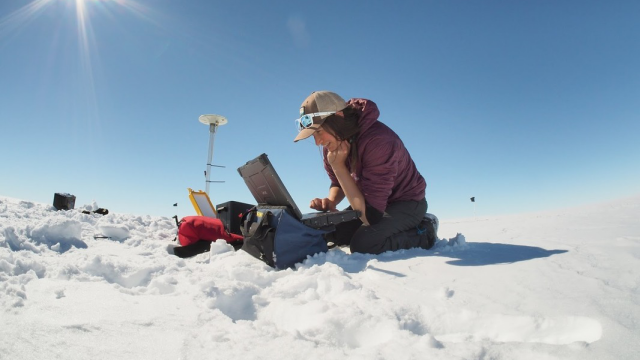
How does technology enable scientists to learn about Antarctic animals?
Year 7
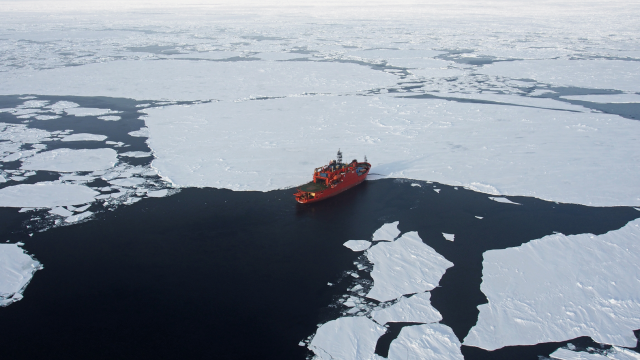
Bonus resources:
If you want to explore Antarctica more with your students, check out these bonus resources.
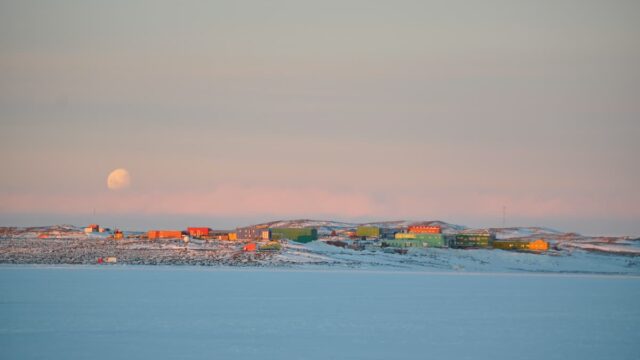
This marine scientist switched from coral to ice, thanks to a growing awareness of the role that scientific research can play in tackling the climate and biodiversity crises. So what can studying Antarctica tell us about our future?
Years 7, 8, 9, 10
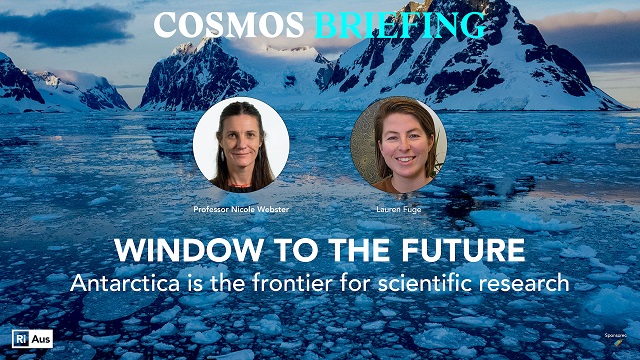
Find out why Antarctica is a frontier for scientific research from the Australian Antarctic Division’s chief scientist, Professor Nicole Webster.
Year 10
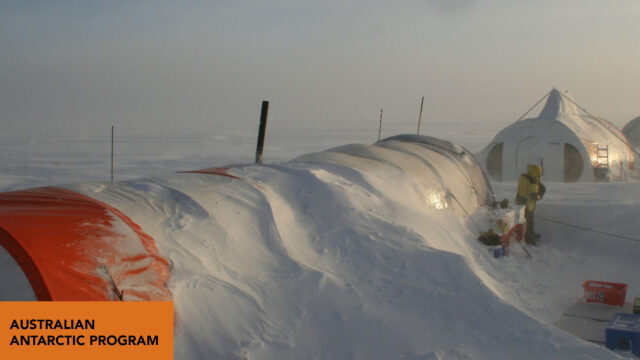
Antarctic scientists have analysed a 2000-year ice core record to find the link between Australian drought and greenhouse gases.
Years 8, 10
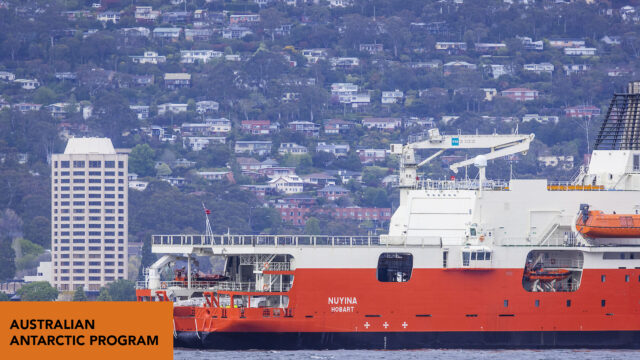
Australians are excited as their newest icebreaker, RSV Nuyina, arrives home in Hobart.
Years R-12
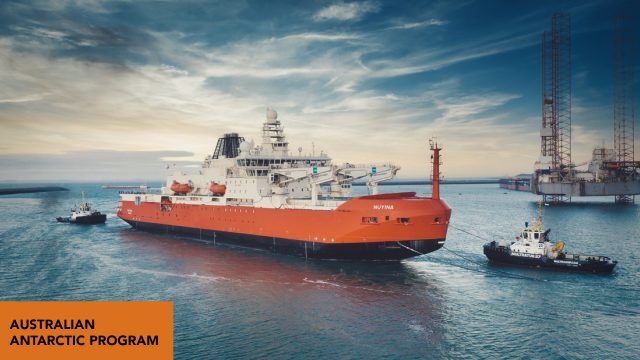
The gateway to Antarctica is on its way to Australia in the form of a new icebreaker.
Years 7, 8, 9, 10
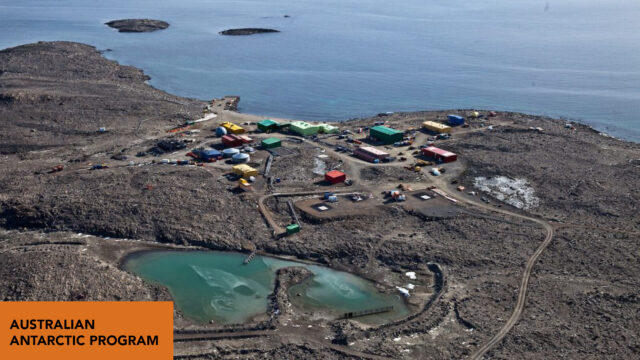
The Antarctic ice sheet holds about 90 percent of Earth’s fresh water in 30 million cubic kilometres of ice. But there’s not a drop to drink, unless you pour some serious energy into making it.
Years 7, 10
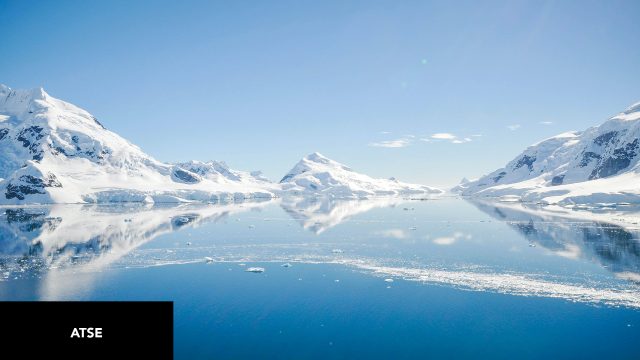
How Antarctic science helps us understand Australian weather and climate.
Years 4-10
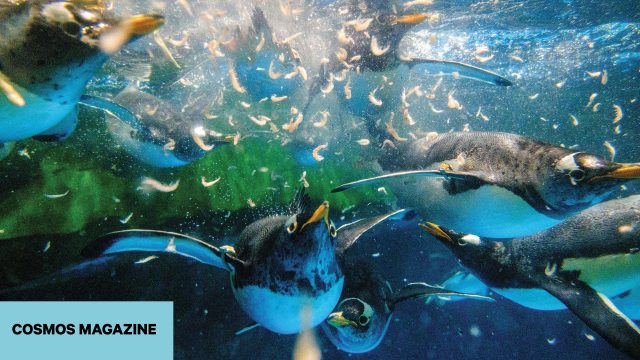
Antarctica’s most iconic animals depend on the tiny, prolific and surprisingly charismatic krill.
Years 3-9
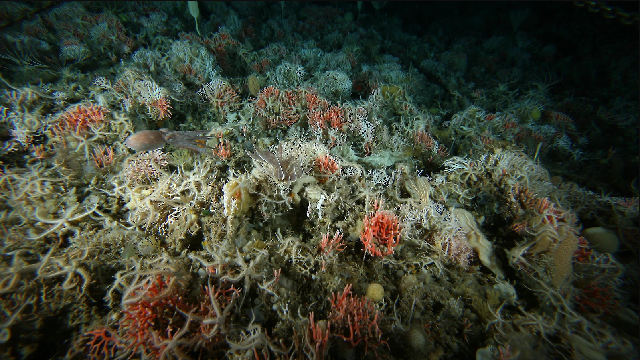
By analysing algae on the surface of the ocean, scientists have figured out how to model and predict biodiversity on the Antarctic seafloor.
Years 4, 6, 7, 9, 10
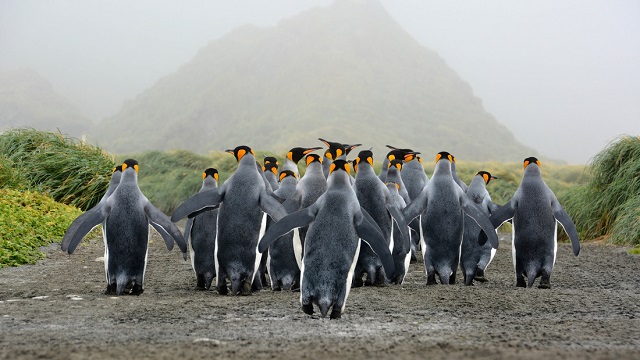
Antarctic scientists have been monitoring the volume of ice-free areas on the continent and it’s bad news for biodiversity.
Years 4, 6, 7, 9, 10
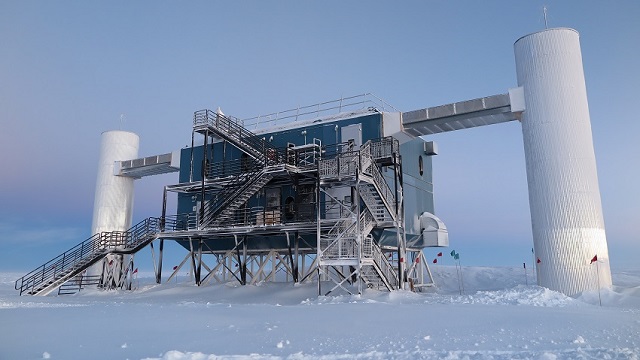
IceCube observatory spots elementary particle needle in a galactic haystack.
Year 12
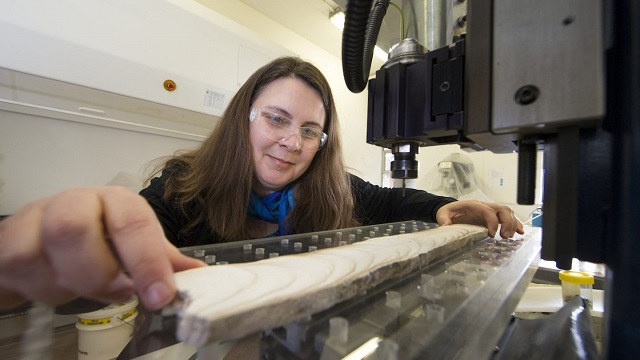
What does being interested in Climate Change lead to in terms of a career? How do we know climate change is even happening – isn’t there still conflicting evidence?
Years 6, 7, 9, 10
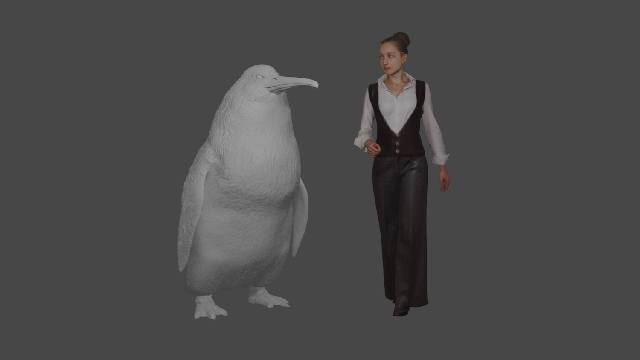
An interesting look at how life finds a way, even in the inhospitable climate of Antarctica and the implications this research could have on us finding, or cultivating, life on other planets.
Years 5-10
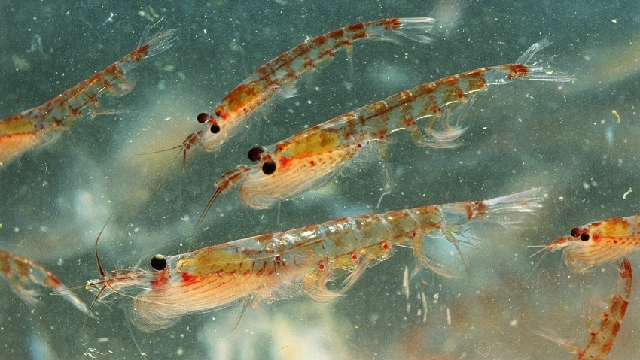
The ocean’s real heavyweight is a vital but poorly understood creature, say scientists.
Years 4-10
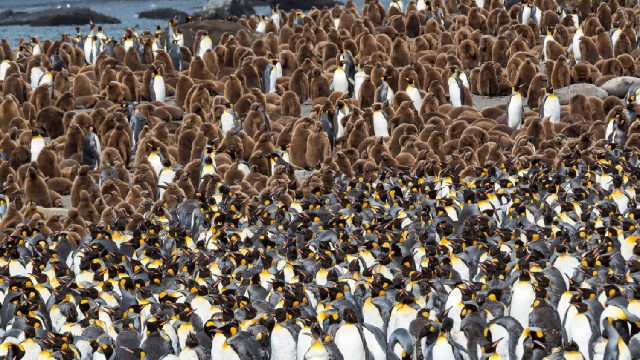
Study finds wind-blown faecal matter boosts inland ecosystems.
Years 2, 4, 6, 7, 8, 10

These resources are supported by the Australian Antarctic Division.
The Royal Institution of Australia is the official education partner of the Australian Antarctic Division.